
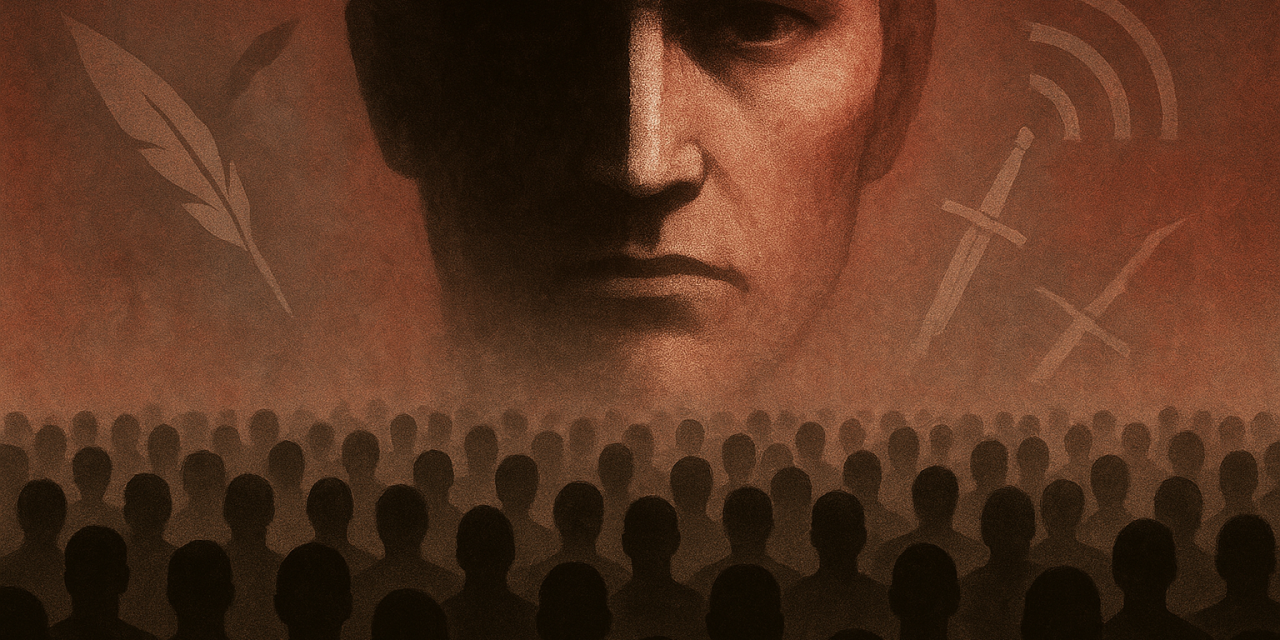
“Go on then in doing with your pen what in other times was done with the sword; shew that reformation is more practicable by operating on the mind than on the body of man”
Thomas Jefferson to Thomas Paine
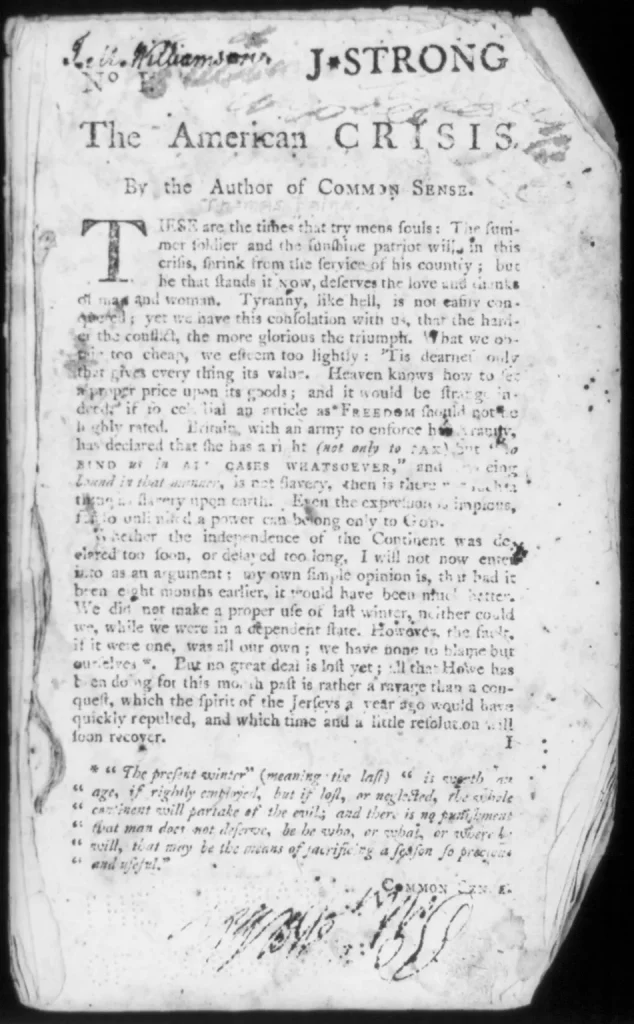
Feeling he was a failure in many aspects of his life, Paine focused on being a political writer and propagandist. His words helped to galvanize the American Revolution, inspiring citizens to reject tyranny and embrace liberty. In The American Crisis No. 1, Paine urged Americans not to be “summer soldiers and sunshine patriots” (Paine). His words stirred both individual conviction and collective nationalism, helping to ignite a revolution.
Propaganda’s Dual Nature
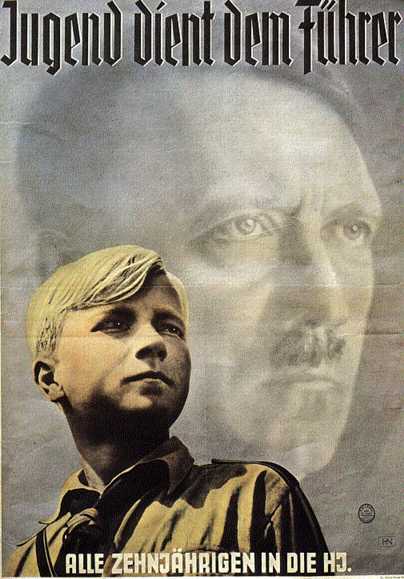
Another successful propagandist, Adolf Hitler, used the same tool for darker ends. While Paine used it to inspire moral courage, Hitler weaponized propaganda to suppress it. Hitler’s dictatorship was the first to have extensive access to modern technology, allowing more opportunities to address the masses—masses he found contemptible.
In the essay Propaganda Under a Dictatorship, Aldous Huxley states that Hitler found the masses “incapable of abstract thinking and uninterested in any fact outside the circle of their immediate experience. Their behavior is determined, not by knowledge and reason, but by feelings and unconscious drives” (Huxley). Hitler felt that a successful propagandist must learn how to manipulate and use these instincts and emotions. Seeking to increase the impact of his words, Hitler gathered people together by the thousands, destroying their sense of individuality and reducing their capacity for moral choice.
Agency vs. Influence
All persons have free will—the ability to make their own choices. This free will, or agency, is diminished when people are gathered and associate closely with each other. Propaganda is designed to shape the perceptions and decisions of the masses. Though neutral in form, propaganda becomes perilous when it manipulates emotions, erodes moral reasoning, and divides communities. The multi-faceted nature of propaganda remains today—with power to uplift or to destroy.

Modern Echoes: ICE Protests
Over the past year, there has been a significant increase in deportations of undocumented residents in America. This has triggered intense and complex immigration debates. In response, large amounts of propaganda have emerged from both sides of the political spectrum, affecting the moral agency of the people.
One example is the protests that occurred during the Immigration and Customs Enforcement (ICE) operations earlier this year in Los Angeles. While many support the deportation of noncitizens residing in the United States for a variety of reasons, protesters—some fueled by anti-ICE propaganda, others motivated by personal ties to noncitizen residents—began to congregate.
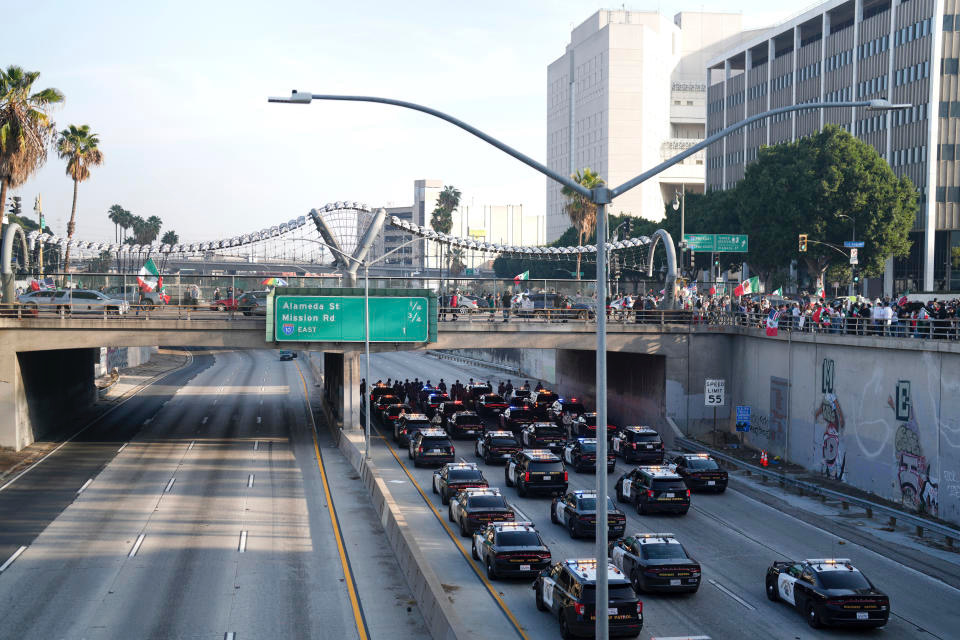
Though not all protesters were violent, the protests themselves quickly turned violent, resulting in the burning of vehicles, aggression towards government agents, and looting. The National Guard and ICE agents used tear gas and rubber bullets to quell the riots, prompting backlash from protestors. Some observers have attributed anti-ICE propaganda to the escalation of violence, though motives were varied and complex.
Congresswoman LaMonica McIver of New Jersey said, “Shut down the city! We are at war!” (McIver). While many chose not to participate in the violence or listen to the propaganda during that period, those that did became a part of the masses—easily controlled and manipulated.
Propaganda That Inspires
Yet propaganda is not inherently bad. It does not always incite violence—it can also inspire peace and moral courage, as seen in the response to a shooting that occurred at a Latter-day Saint church building in Michigan.
Though tragic, the event was shared through the lens of peace in Christ by many victims. Propaganda outlets used the response to create a story of hope and peace, prompting thousands to increase their faith. It also inspired donations to a fund that will be used to help the widow of the aggressor, which raised over $220,000—driven by committed disciples of Christ who are building a foundation of moral courage.

Commercial Manipulation
Propaganda also appears in commercial aspects. Recent advertisements for the weight loss medication Hims & Hers manipulate emotions by agitating viewers about the obesity epidemic. Provoking reaction over reflection, thousands subscribed to potentially harmful medications. This propaganda promotes a product to a vulnerable mass of people, whose moral agency is limited by their insecurities about body image.
Conclusion: Stand Alone, Think Clearly
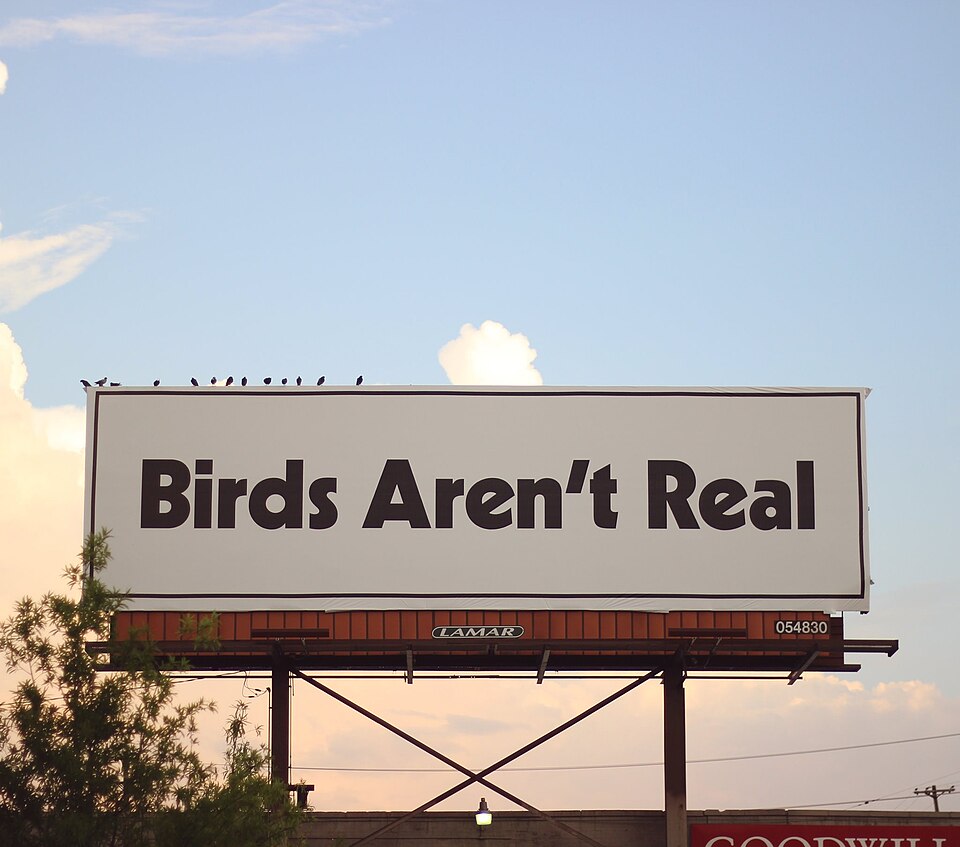
Propaganda is everywhere—from books and magazines to TV ads and paintings. Thankfully, moral agency is granted to all. Though many strive to strip it away, each individual has the right and responsibility to stand up, no matter the crowd.
“The kingdom of heaven is within the mind of the individual, not within the collective mindlessness of a crowd.”
—Aldous Huxley

“THESE are the times that try men’s souls: The summer soldier and the sunshine patriot will, in this crisis, shrink from the service of his country but he that stands it NOW, deserves the love and thanks of man and woman. Tyranny, like hell, is not easily conquered; yet we have this consolation with us, that the harder the conflict, the more glorious the triumph.”
—Thomas Paine
One must stand for truth, fight for freedom, and embrace moral agency—the tool can free one from the chains propaganda may create.
Works Cited
- Huxley, Aldous. Propaganda Under a Dictatorship. 1958.
- Jefferson, Thomas. “Thomas Jefferson to Thomas Paine, 19 June 1792.” Founders Online, National Archives, https://founders.archives.gov/documents/Jefferson/01-20-02-0076-0014
- Paine, Thomas. The American Crisis No. 1. [Boston], Sold opposite the courthouse, Queen Street, 1776. Library of Congress, https://www.loc.gov/resource/rbpe.03902300/?st=text
- McIver, LaMonica. “Shut down the city! We are at war!” Save Jersey, 6 Feb. 2025, https://savejersey.com/2025/02/new-jersey-congress-mciver-video/
- VanWaggoner, Stephanie. God’s Hand. Photograph, Deseret News, 17 Oct. 2025, https://www.deseret.com/faith/2025/10/17/photos-inside-burned-latter-day-saint-church-in-michigan/